
Not all the skin changes are clearly visible in the mirror. Some show up in how your skin feels – like when you press it lightly, expecting the skin to snap back instantly, only to realize that it has lost that youthful elasticity. And it’s in these moments that you pause and wonder: why does my skin feel less bouncy and firm than it used to feel? These subtle skin changes didn’t happen overnight, these shifts were taking place gradually. Let’s take a closer look at why your skin loses its bounce after 25.
What skin Bounce Really Means
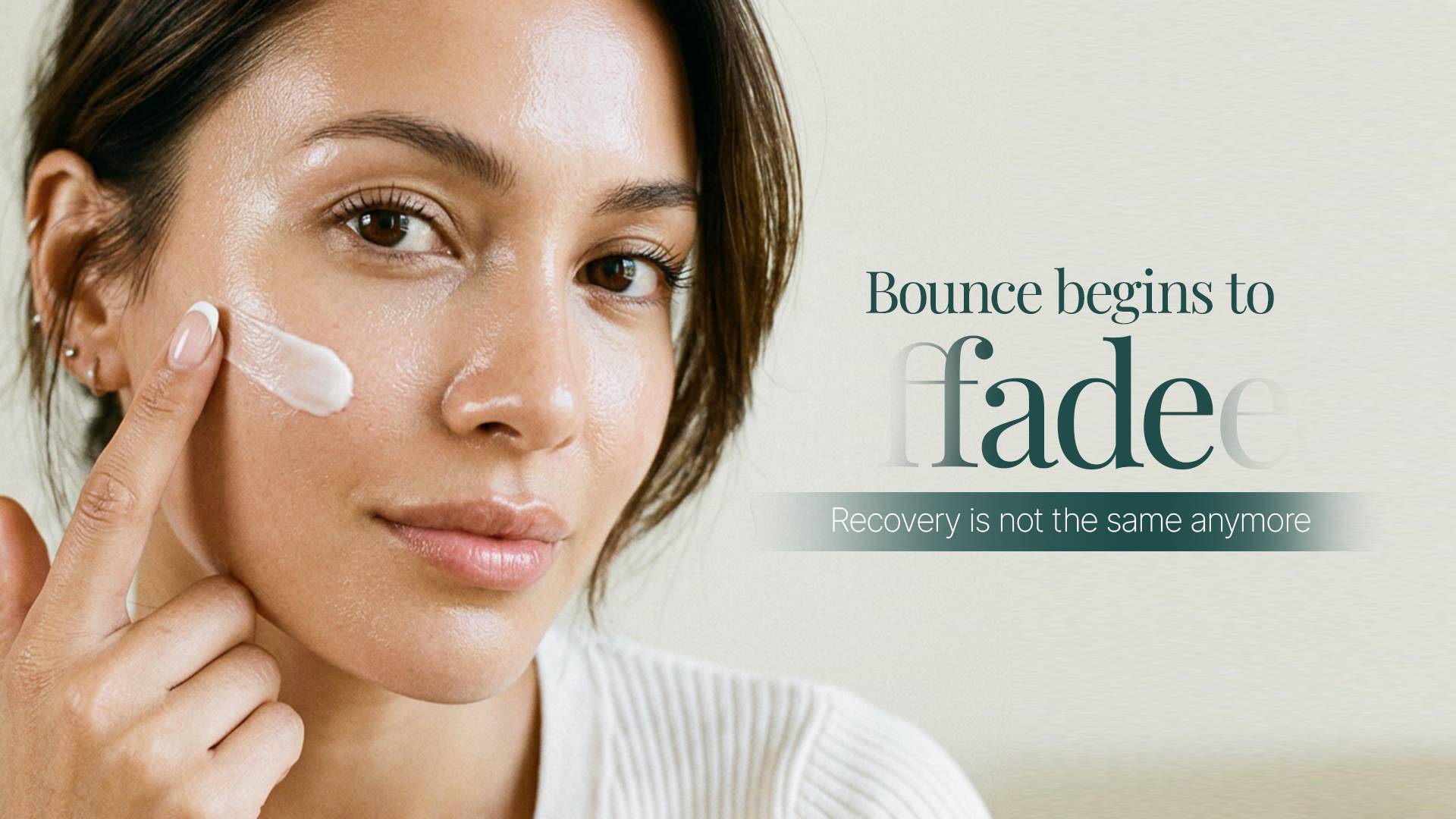
‘Bounce’ refers to your skin’s ability to retain its structure. It is your skin’s natural capacity to snap back instantly after being pinched, stretched, or pressed. Healthy collagen levels are responsible for giving your skin that firm, plump feel. But lets not blame just the collagen, there are also other factors responsible for depleting that youthful bounce and firmness of your skin. Past 25, is when the actual shifts start and your skin health begin to change.
1. Slowdown In Natural Collagen Production
Collagen is the protein that gives your skin its healthy firmness, structure, and elasticity. n your early 20s, collagen production is consistent and at its peak. But as you approach your mid-20s, collagen production gradually begins to slow down. It’s not a dramatic overnight shift instead it is that steady decline that takes place steadily. This is one of the biggest reasons that your skin loses the internal framework and feels different after 25.
2. Weight Loss
Your skin is made up of three layers — the epidermis (top), dermis (middle), and hypodermis (bottom).
- Epidermis is responsible for protecting your skin and giving it its colour.
- Dermis supports collagen and elastic fibre production to give it that much-loved firmness and elasticity.
- Lastly, the hypodermis contains fat, blood vessels, and other good stuff that support your skin’s structure.
When you gain weight, the fat beneath the hypodermis expands and stretches your skin over time and when you loose weight it can take a long time to return to its original health and state.
3. Environmental Stressors
Be it your health or skin-related issues, the modern lifestyle has accelerated at much faster pace. UV rays are one of the biggest culprits — and for many people, sun exposure is simply unavoidable. Over time, the unprotected sun exposure breaks down collagen and weakens elastin, making your skin look sagged and less resilient. Not just the sun, pollution, chronic stress, and long screen hours can also weaken your skin health over time. Although these factors may seem minor at first, they can contribute significantly to your skin’s overall health.
4. Lack Of Hydration
Bounce isn’t just about surface skin structure, thus hydration plays a huge role too. When the skin is hydrated properly, it looks radiant, smooth, fuller, more resilient and well-equipped to fight the early signs of ageing. But as you age, your skin’s ability to retain moisture gradually declines. Even with a consistent skincare routine, your skin may not hold hydration as it used to do earlier. Hence, this leads to a duller appearance and reduced elasticity over time.
5. Genetic Factors
Time to blame the genes now. Not just lifestyle and environmental factors, but genetics can also play a role in your skin elasticity. It influences how your body produces collagen that helps to maintain skin structure and how quickly elasticity declines. While genetics is not something you can control, but making mindful and informed skincare choices can definitely slower down the ageing process.
Rethinking Skincare After 25
Your skin needs different ingredients at various stages of life. What worked during your early twenties may feel insufficient by the time you reach 25. However, this doesn’t mean you need more steps, or spending more money.
You just have to be more intentional and understand what your skin actually needs- like UV protection, hydration, and ingredients that offer long-term benefits. Rather than chasing quick fixes, build a sustainable routine that works better on your skin.
How To Prevent Loss Of Skin Elasticity
Ageing is natural and you can’t stop it. But with consistent care, right products and worthy ingredients, you can absolutely slow down the early signs.
- Reduce skin exposure and use a good sunscreen daily
- Take collagen supplements to improve elasticity
- Include retinol and retinoids in your skincare routine
- Consume diet that is rich in- protein, Vitamin C, and Vitamin E
- Drink plenty of water to hydrate your body from within
- Get an adequate amount of sleep every day
- Manage stress levels
- Avoid weight fluctuations if possible
Skin changes after 25 are natural. What’s important to remember is that these shifts don’t happen overnight and aren’t something to fear. All you need is a thoughtful approach and regime.
Frequently Asked Questions (FAQs)
1. Why is my skin losing elasticity at 25?
Skin can lose elasticity by age 25 for many reasons. The top ones include reduced collagen production, environmental stressors, low hydration levels, and irregular sleep patterns.
2. At what age does skin stop bouncing back?
Ageing is natural and you can’t stop it. But with consistent care, right products and worthy ingredients, you can absolutely slow down the early signs.
3. What causes skin not to bounce back?
Common causes include dehydration, prolonged UV exposure, and weight fluctuations.
4. How to increase collagen after 25?
Supporting collagen production includes a nutrient-rich diet, protecting skin from sun damage, and using the right skincare ingredients.
5. What are the signs of ageing?
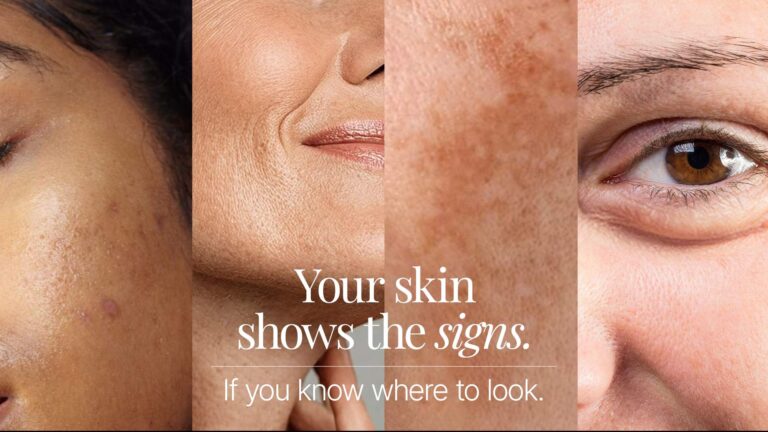
The early signs of ageing include wrinkles, fine lines, sagging skin, hyperpigmentation, and reduced elasticity, or the ability to bounce back.
Skin can lose elasticity by age 25 for many reasons. The top ones include reduced collagen production, environmental stressors, low hydration levels, and irregular sleep patterns.
Type your paragraph here
Ageing is natural and you can’t stop it. But with consistent care, right products and worthy ingredients, you can absolutely slow down the early signs.
Common causes include dehydration, prolonged UV exposure, and weight fluctuations.
Supporting collagen production includes a nutrient-rich diet, protecting skin from sun damage, and using the right skincare ingredients.
The early signs of ageing include wrinkles, fine lines, sagging skin, hyperpigmentation, and reduced elasticity, or the ability to bounce back.
Keywords : Skin loses bounce after 25, Signs of Ageing, Importance of Skin Hydration, How to Prevent Loss of Skin Elasticity, Healthy Diet for Skin