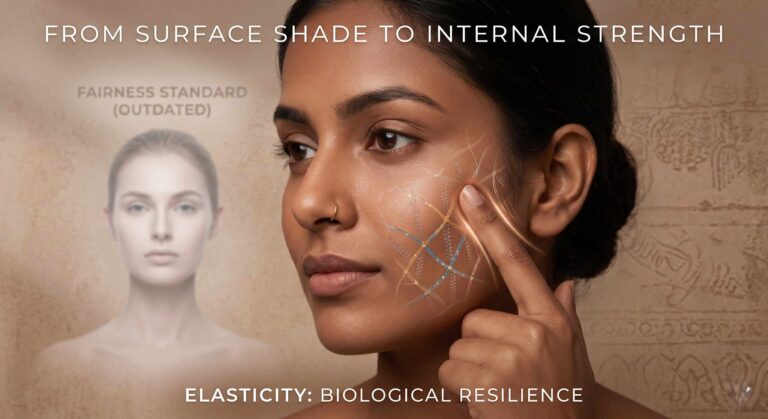

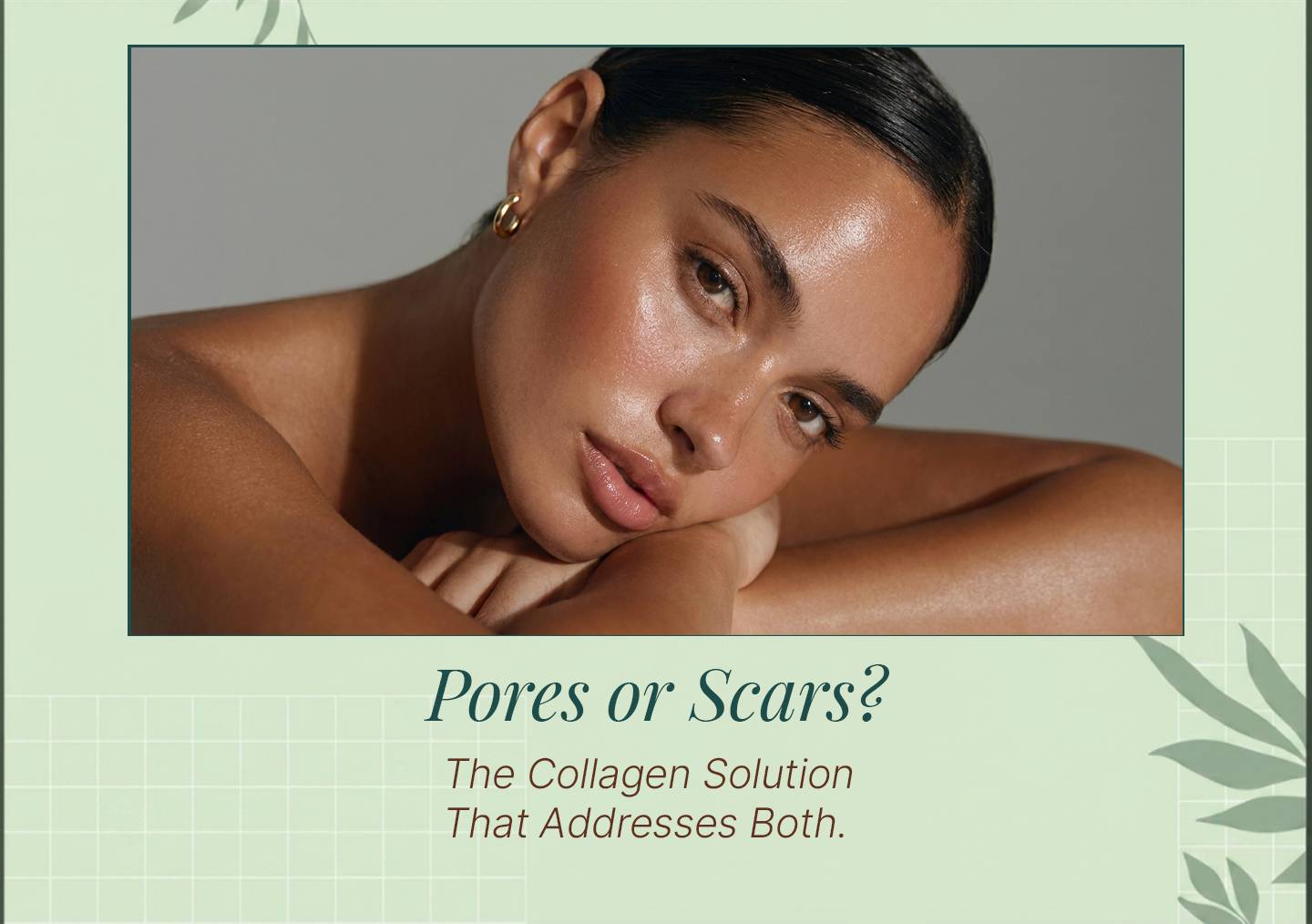
Do you find it difficult to distinguish between acne scars and enlarged pores? Well, this is the kind of confusion that’s been costing you effective results. When you look closely at your skin in harsh lighting, you’ll notice that its surface isn’t smooth. Not just that, you’ll also come across texture, shadow and indentations that no amount of foundation can fix completely. In the majority of cases, people are unsure and keep wondering—what exactly am I looking at?
Acne scars and enlarged pores are two of the most common skin texture concerns in India. These two look remarkably similar, as both create small depressions on the skin’s surface. Both casts of shadow seem like texture in photographs. And not just that, both can’t be fixed by any of the colour-correctors and setting powders.
Despite both appearing the same, they are structurally formed through different mechanisms. Hence, they respond to different treatments and require different skincare products to improve their appearance. One of the biggest mistakes people make is treating both as the same. Therefore, it is important to understand what skin concern you actually have, because it is more about biology than marketing. However, for both skin concerns, collagen’s structural solution is the ONLY answer. Let’s dive in deep for better clarity and precise solutions.
What Are Enlarged Pores?
You shouldn’t be ashamed of pores on your face, as every pore is the opening of a hair follicle that is attached to sebaceous glands. Sebaceous glands produce sebum on the surface of your skin to keep it protected and moisturised. Pores do not have muscle, hence they can’t be opened or closed. And the idea that cold water “closes” pores and steam “opens” them is nothing but a persistent myth. Pores appear larger when they’re stretched, or when skin loses its structural density. Below, we’ve listed four primary reasons why pores appear enlarged:
- Excess sebum production: When sebaceous glands get stimulated by heat, diet, skin barrier damage, or hormones, they get stimulated and release comparatively more oil than usual. The pores are stretched from within, making them appear enlarged on the surface.
- Congestion or comedone accumulation: Accumulation of sebum, dead skin cells, and environmental debris results in expansion of the follicle wall, which makes your pores appear larger at the surface.
- Loss of Collagen: Collagen loss also results in visible pore enlargement. When that collagen degrades, the dense network of collagen fibres also collapses. As a result, skin loses its structural support, making the pores appear more enlarged.
- Genetics and skin type: Pore size depends on genetics, too. People with darker skin types, which mostly cover Indian skin tones, have more active sebaceous glands. Basically, your skin is designed for specific climatic conditions.
Its enlarged pores, if:
- Often seen in people with oily or combination skin types
- When your T-zone and surrounding areas, like cheeks near the nose, turn oily often
- The pore openings look round or oval, and those that look like small dark spots (oxidised sebum/blackheads) at the centre of the nose
- The “holes” look shallower and more uniform
What Are Acne Scars — And Why Are They Different?
Scars that appear red or brown are post-inflammatory hyperpigmentation (PIH) that fades over time with brightening ingredients. But true acne scars are structural and represent permanent (or semi-permanent) damage to the dermis where collagen lives. Acne scars are caused by severe or prolonged inflammation that destroys the collagen and surrounding tissues. When the inflammation settles, the body goes into repair mode, but sadly, that repair is often imperfect. Below we’ve listed some common types of acne scars. Take a look:
- Ice pick scars: Deep, narrow, sharp scars that appear like small puncture wounds that get extended into the dermis. This type is the most difficult type to treat.
- Boxcar scars: Wider, flat-bottomed depressions that leave a sunken patch around normal skin are caused by collagen destruction.
- Rolling scars: Bumpy, shallower, or wave-like depressions are caused when the skin is pulled downward at irregular points.
- Hypertrophic and keloid scars: These are caused by overproduction of collagen that mainly happens during the healing phase. It is found in people with darker skin types.
It’s likely acne scars if:
- The indentations are often observed where there have been significant breakouts in the past
- The depths and shapes may appear “narrow and deep” or “wider and shallower”
- The texture of the acne scars looks uneven and irregular
- No dark spots are observed on the surface of the skin
Both Pores and Acne Scars, When
Most people who have a significant acne history have some degree of both. In some cases, people have all the skin concerns.
- People who have a history of acne in the areas where pores are also visible tend to have both.
- If your face shows different types of texture concerns, then you might also be having both enlarged pores and acne scars.
- If your skin has both uniform pores and irregular depressions of varying depth (scars).
Why Collagen Is the Structural Answer to Both Concerns
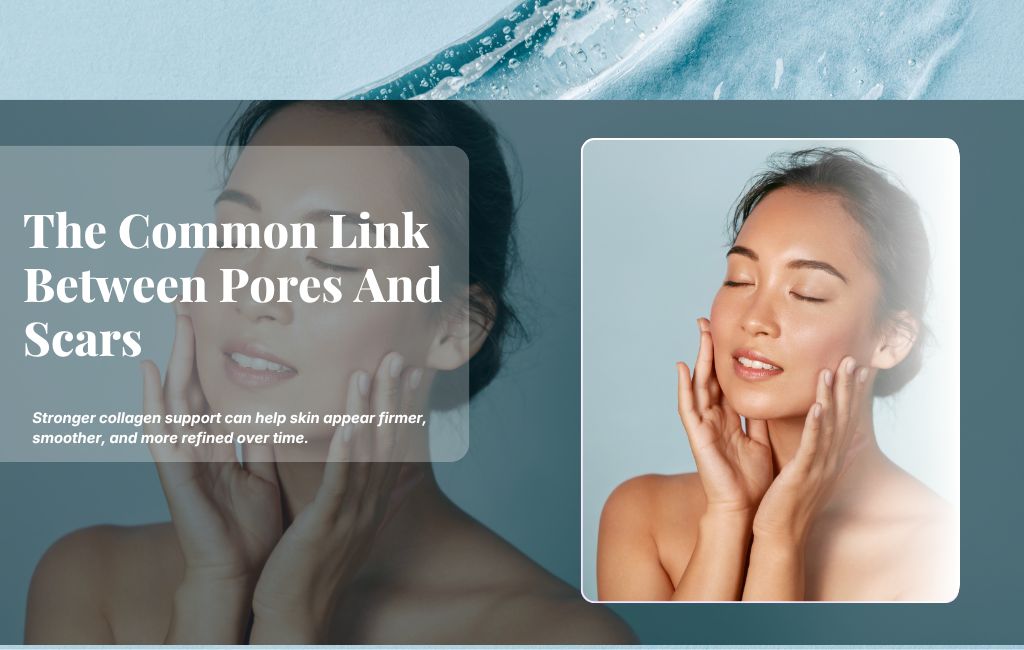
Both enlarged pores and acne scars are often seen on the skin due to collagen problems. This is a place where skincare mimic fails, and actual biology becomes compelling. Multiple clinical studies show that collagen-stimulating treatments can treat both enlarged pores and acne scars.
Consistent use of radiofrequency devices, microneedling, or topical retinoids and peptides can increase dermal collagen density. Collagen stimulation can visibly improve both the appearance of pores and scar depth. The theory is simple: the more collagen in the dermis, the better structural support to curb such skin concerns.
The Collagen Skincare Protocol for Pores and Scars
Step 1: Address Congestion (For Pores)
Before collagen begins to show its magical recovery, it becomes very important to do the structural work and clear congestion.
- Use Salicylic acid (BHA) 2% 2–3 times per week in the evening. It penetrates deeply into the pores and dissolves sebum, dead skin cells, and buildup that cause congestion.
- Use 5% Niacinamide daily in your skincare regimen to reduce sebum production over time. Its consistent use will not only tighten the appearance of pores but also improve your skin barrier function.
Step 2: Signal New Collagen (For Both, Pores and Acne Scars)
This is where topical collagen-stimulating ingredients show their magic.
- Collagen peptides, when applied topically, signal fibroblasts to produce more collagen in the dermis. Consistent use of these peptides will improve dermal collagen density, resulting in firmer skin and minimising scar depressions.
- Retinol is known to accelerate cell turnover and stimulate collagen at the cellular level. You need to build up retinol in your routine to avoid it gradually and have to be consistent.
- Vitamin C (stabilised L-ascorbic acid), when applied in the morning skincare routine, serves as an essential cofactor for collagen synthesis enzymes. It not only stimulates collagen production but also neutralises the oxidative damage caused by UV rays and other environmental factors.
Step 3: Protect Your Collagen
New collagen ain’t built in a month or two, it is the result of a consistent months-long biological process. You need to protect it from UV exposure, pollution, or inflammation. Applying SPF 30–50 every single morning will keep your existing collagen protection while your skin is building another batch
Step 4: Consider Professional Intervention (For Deep Scars)
Topical skincare is powerful, but for extreme damage like deep ice pick scars, keloids, or significant boxcar scarring, topical collagen is not enough. Certain medical treatments, like Microneedling, Chemical peels, and Radiofrequency, show the best results when performed under the guidance of an ace dermatologist.
The Honest Truth about Skin Transformation
If you’re someone who expected this entire thing to be a quick fix, and we have, this expectation is totally unrealistic. Pores or scars are structural issues, and the solution lies in the dermis. The right ingredients, treatments, and a consistent skincare routine can help you transform your skin, but it can take months or even years. Stimulating new collagen and protecting it from other factors will help you achieve desirable results.
Keyphrases : how to tell difference between acne scars and large pores, does collagen help clear acne scars, can you get rid of enlarged pores permanently