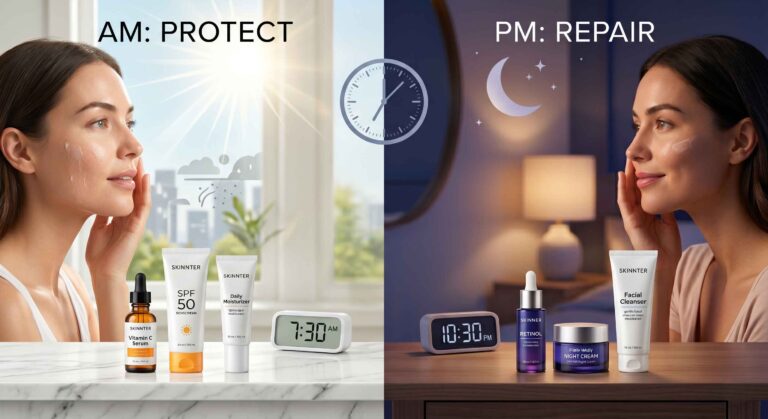

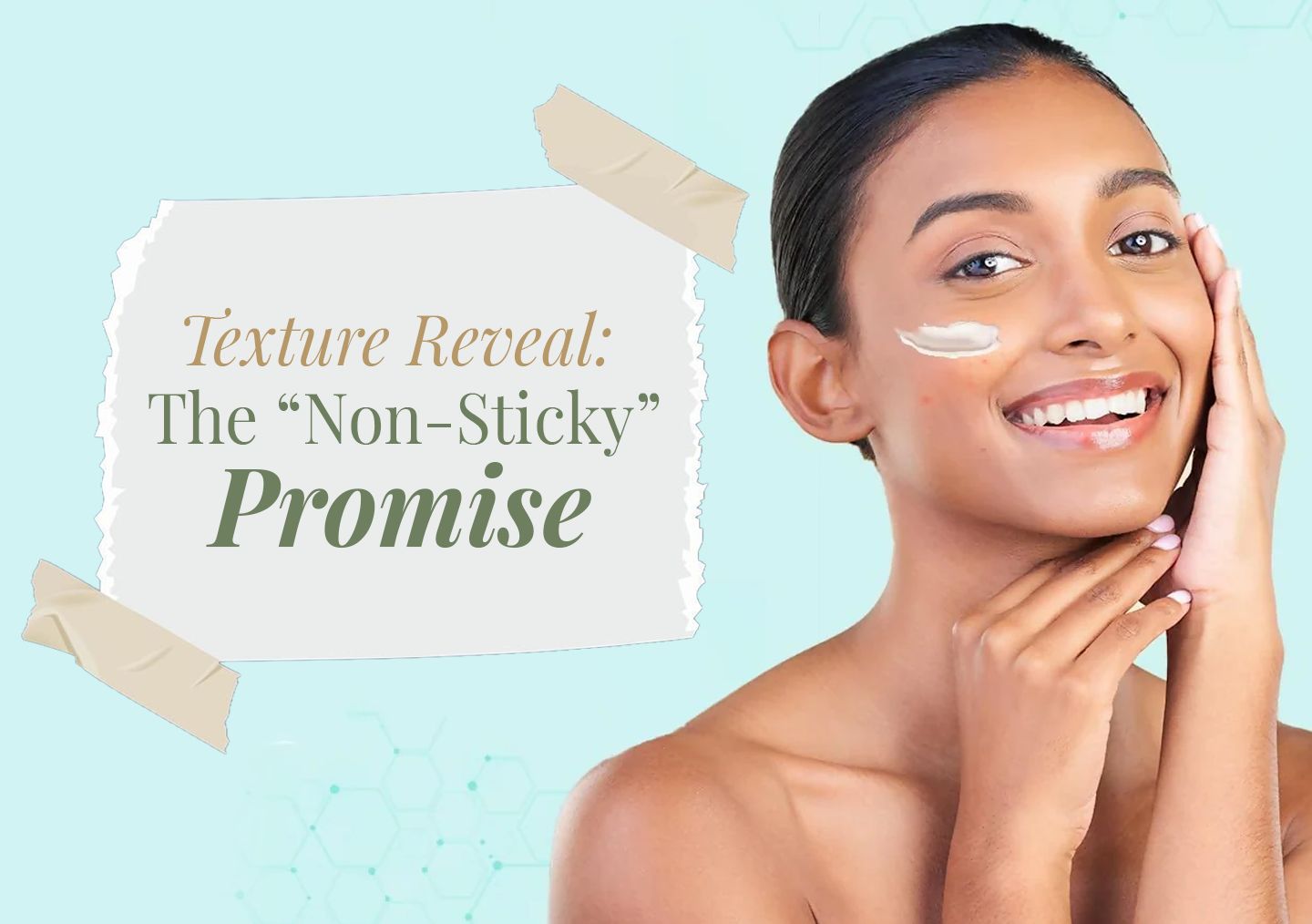
Introduction: The First Thing Your Skin Notices
What’s your focus when you buy any skincare: the packaging or the labelling? Many nowadays are conscious, so they check ingredients first. They look for collagen, peptides, hyaluronic acid, ceramides, vitamins, and antioxidants. Marketing usually highlights the active ingredients, as these make people curious about brands that look scientific and effective on the skin.
But in reality, the first thing your skin notices is not the ingredient list. It is the texture. Fewer people understand this; before a product has time to hydrate, support collagen, or strengthen the skin barrier, you experience how it feels.
Likewise, wants verdict on: does it absorb quickly? Does it leave a greasy layer behind? Does your skin feel comfortable or coated? These questions influence whether you enjoy using a product and, more importantly, whether you continue using it consistently.
That’s where the phrase “non-sticky” comes in, a powerful promise in modern skincare. Consumers are not only curious but conscious at the same time, so they want products to balance hydration and nourishment without oiliness and residue. But what does “non-sticky” actually mean? And why has it become such an important part of skincare conversations?
The answer lies in the relationship between texture, comfort, and long-term skin health.
The Evolution of Skincare Expectations
Earlier, consumers were often willing to tolerate that stickiness, believing that those uncomfortable coatings on the skin were effective. Those heavy creams, thick lotions, and greasy moisturizers were called rich formulations for skin health. But now the mindset has changed, and it has influenced the skincare and cosmetic industry.
Modern consumers expect skincare to fit seamlessly into their lifestyles. Products are no longer judged only by their results but also by their usability.
People want skincare that:
- Absorbs easily
- Layers well under makeup
- Feels comfortable throughout the day
- Does not leave residue
- Works in different climates
This shift has made texture almost as important as performance itself.
What Does “Sticky” Actually Feel Like?
People mostly recognize stickiness easily. It is that sensation where the skin feels coated long after application. The product may sit on the surface instead of blending comfortably into the skin.
Common signs include:
- Hair sticking to the face
- A tacky surface feeling
- Difficulty layering products
- A heavy or suffocating sensation
- Skin feeling coated instead of refreshed
Although some actives or ingredients do develop temporary tackiness on skin, excessive stickiness impacts the overall skincare experience. The result is often frustration rather than comfort.
Why Consumers Dislike Sticky Products?
The concerning factor with stickiness in skincare products isn’t limited to appearance but affects skin every single day.
People may avoid reapplying products because they dislike the feeling. They may skip steps in their routine. Some stop using products entirely, even when the formulation itself is beneficial.
This creates a major challenge because skincare works best through consistency. A product cannot support hydration, elasticity, or collagen health if it sits unused on a shelf. Comfort therefore becomes an important part of effectiveness.
The Psychology Behind the Non-Sticky Promise
The popularity of non-sticky skincare is partly psychological.
People associate lightweight textures with:
- Freshness
- Cleanliness
- Modernity
- Simplicity
- Comfort
Any skincare product that penetrates or disappears into the skin easily is often more sophisticated than one that remains noticeable for longer. This emotional response influences how consumers perceive the entire product experience. Even before visible results appear, texture shapes expectations.
Why Indian Consumers Especially Prefer Non-Sticky Skincare?
When it’s about texture preferences, the climate plays an important role in skincare products. In countries like India, skincare products face unique challenges because of:
- High temperatures
- Humidity
- Sweat
- Pollution
- Extended sun exposure
Under these conditions, heavy formulations can quickly become uncomfortable. Meanwhile, a moisturizer that feels pleasant during winter may feel overwhelming during peak summer months.
As a result, Indian consumers often prioritize:
- Lightweight textures
- Fast absorption
- Comfortable hydration
- Non-greasy finishes
Products that feel breathable tend to fit better into everyday routines.
Does Lightweight Mean Less Effective?
People are still stuck in misconceptions like heavier products are rich and more nourishing for the skin. They blindly think such heavy moisturizers and creams are superior to provide hydration.
A modern lightweight formulation can still:
Support hydration
Strengthen the skin barrier
Improve comfort
Maintain moisture balance
At the same time, a heavier product is not automatically more effective simply because it feels richer. Formulation quality matters far more than texture alone.
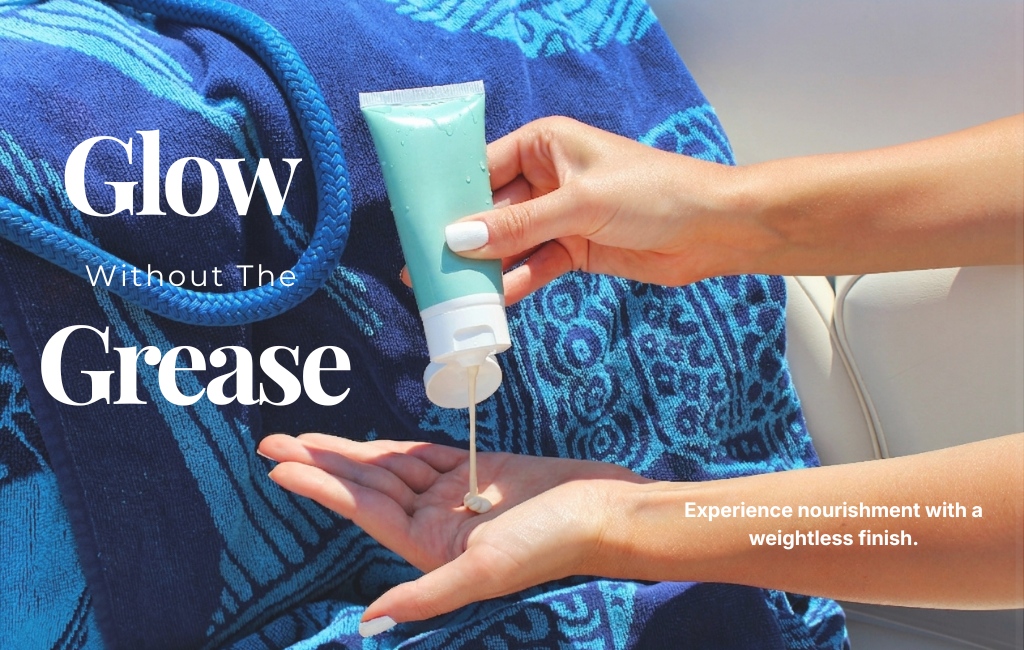
The Difference Between Hydration and Greasiness
Hydration and greasiness are often confused, but they are very different experiences.
Hydrated skin feels:
- Comfortable
- Smooth
- Flexible
- Balanced
Greasy skin feels:
- Oily
- Heavy
- Coated
Any skincare product that leaves an oily residue or stickiness isn’t that level-up option for hydration and nourishment. Likewise, a non-sticky product can support hydration effectively without feeling heavy. This distinction has become increasingly important as consumers become more educated about skincare.
Why Texture Matters for Collagen-Focused Skincare?
Most skincare buyers looking for collagen-supporting products often imagine those thick creams and heavy serums or lotions are formulated with richness. But the reality hits different, as collagen support isn’t determined by any heaviness or thickness in texture. In fact, many consumers avoid collagen-focused products because they assume they will feel sticky or greasy.
Modern formulations are changing this perception. Today, collagen-supportive skincare can be designed to:
- Absorb quickly
- Feel lightweight
- Layer comfortably
- Support daily use
This is important because collagen care works through consistency rather than occasional application. The easier a product is to use, the more likely people are to maintain their routine.
The Connection Between Texture and Skin Barrier Health
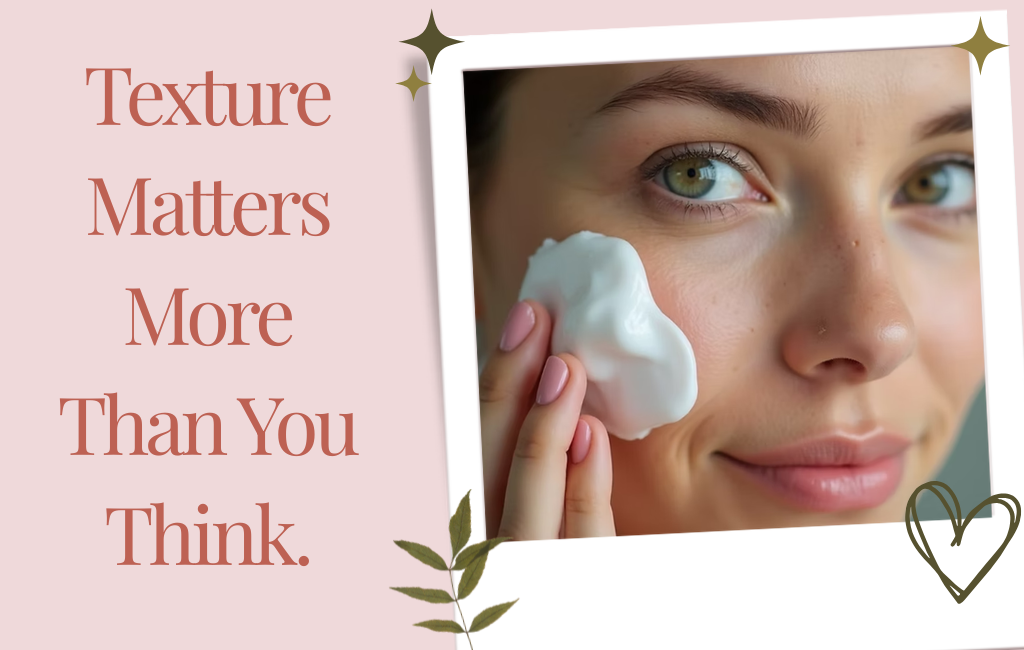
A healthy skin barrier thrives on consistency. Skincare buyers likely look for a range that helps maintain hydration and barrier-support options while leaving skin nourished and comfortable.
If a moisturizer feels excessively sticky:
- Application becomes less enjoyable
- Routine adherence decreases
- Long-term consistency suffers
It indirectly affects overall skin health because the barrier depends on regular support. The best skincare routine is often the one people genuinely enjoy following.
Why More Is Not Always Better?
A decade ago, consumers didn’t think of it, but now modern consumers are aware of it. Although most still assume that a product leaving a layer or thickness brings more benefits to the skin. But skincare does not work like a blanket where extra layers automatically provide extra protection.
In some cases, excessive heaviness can make products feel uncomfortable without improving performance.
Modern skincare increasingly focuses on intelligent formulation rather than simply adding richness. The goal is creating products that provide support while remaining pleasant to use.
The Future of Texture in Skincare
Texture is becoming one of the most important areas of innovation in the skincare industry.
Consumers now expect products that:
- Deliver visible results
- Feel elegant on the skin
- Adapt to modern lifestyles
- Work across climates
- Encourage daily use
As a result, skincare brands are investing heavily in creating textures that combine performance with comfort. The future of skincare is not just about what ingredients are included but also about how those ingredients are delivered.
Conclusion: A Promise That Goes Beyond Feel
The approach of “non-stickiness” is more than comfort on skin. More deeply, it reflects how modern consumers actually understand skincare in daily life.
A product can contain excellent ingredients and strong scientific support, but if it feels unpleasant to use, consistency becomes difficult. And without consistency, even the best skincare routine struggles to deliver long-term benefits. This is why texture matters. Not because it replaces performance, but because it supports it.
In the end, the most effective skincare is not necessarily the one that feels the heaviest or richest. It is the one that balances results with comfort, making it easy to use day after day. Because healthy skin is built through habits, and habits are easier to maintain when skincare feels as good as it performs.
Keyphrases : why does my skincare feel sticky, best lightweight moisturizer for humid weather, how to tell if a moisturizer is too heavy,