

Introduction: It’s No Longer Just About Building Collagen
The skincare conversation for years was core entirely on how we can boost collagen. From creams to lotions and then serums nothing has left to promise collagen improvement. In fact, the health supplements and treatments are also sharing countless products to make skin and overall wellness supportive with collagen range.
Although still there is a different question. Rather than just wanting a solution to build or improve collagen, it is important to understand what causes the real collagen breakdown. This knowledge will reflect a more informed approach towards modern skincare. Although many have already begun to realise that maintaining healthy skin is not just about adding beneficial ingredients to a routine. It is also about identifying the daily habits and environmental factors that slowly weaken the skin’s natural support system.
Understanding what destroys collagen allows people to move from reacting to visible aging to preventing unnecessary damage before it becomes noticeable.
What Is Collagen and Why Is It So Important?
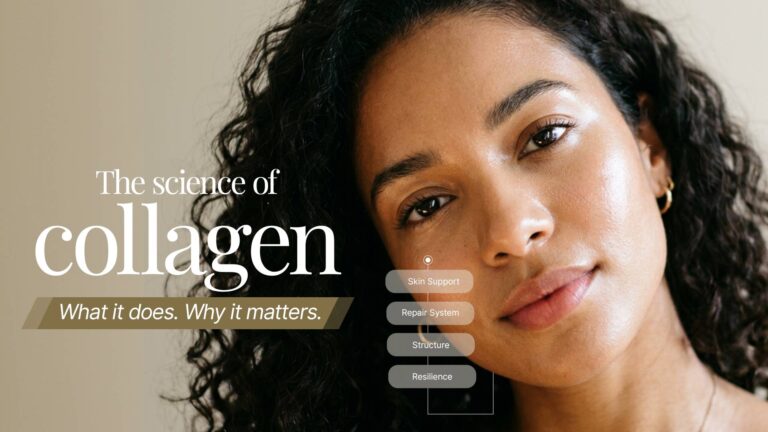
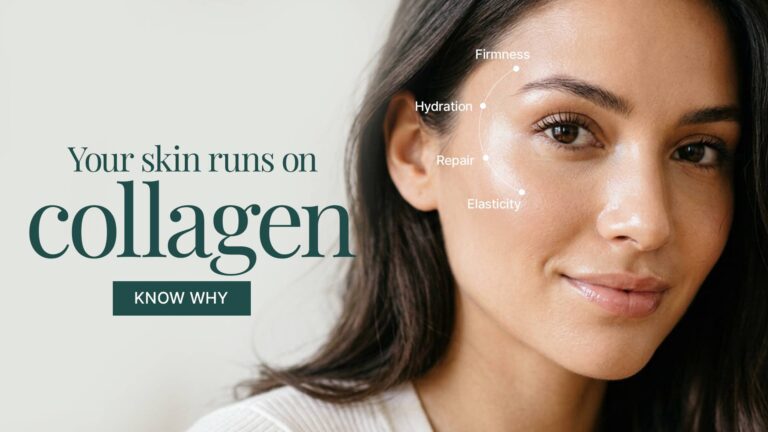
The fact is collagen is one of the most abundant proteins in our body and helps in forming the structural framework of the skin. It provides strength, firmness, and elasticity while helping the skin maintain its smooth and resilient appearance.
Healthy collagen contributes to:
- Firm skin
- Natural elasticity
- Smooth texture
- Structural support
- Better skin resilience
When the young body has increased production of new collagen and repairs the older collagen fibres. However, this balance gradually changes with age. Silently in mid-20s collagen production slows down and the time passes, which makes the body produce less of it. Apart from this, existing collagen becomes more vulnerable to damage.
This natural decline is part of aging, but external factors can significantly speed up the process. That is why understanding collagen breakdown has become just as important as learning about collagen production.
Why Consumers Are Asking Better Questions?
The modern skincare consumer is more informed than ever before. Rather just simply accepting marketing claims, people now want to understand:
- Why collagen declines
- What daily habits accelerate aging
- Which lifestyle factors affect skin health
- How environmental damage impacts collagen
- What can realistically be prevented
This represents an important shift in modern skincare.
Consumers are moving away from quick fixes and toward long-term skin education. Rather than asking, “Which product will erase wrinkles?” They are asking, “What caused those wrinkles to appear in the first place?” That change in mindset leads to healthier skincare decisions.
The Sun Is One of Collagen’s Biggest Enemies
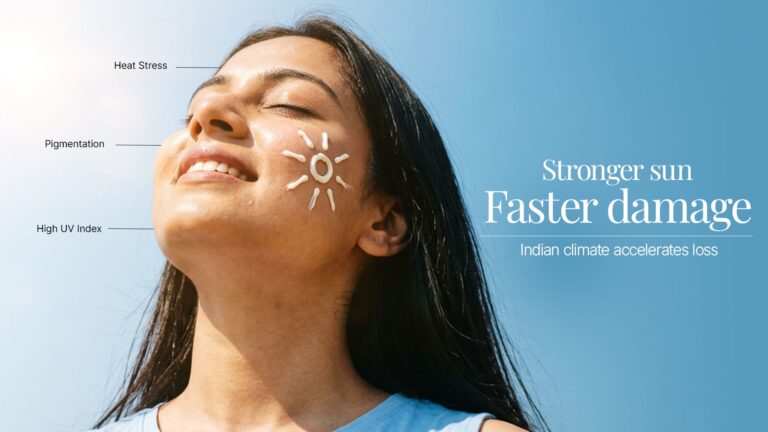
The prolonged sun exposure and UV rays is one of the leading external factors that increases the UV ray collagen breakdown.
Ultraviolet radiation penetrates the skin and damages collagen fibres over time. The repeated exposure of UV rays let skin loosen its ability to produce the healthy new collagen. The effects are gradual rather than immediate.
You may initially notice:
- Tanning
- Mild dullness
- Dryness
But beneath the surface, collagen fibres are slowly weakening. This is why collagen loss due to sun exposure often becomes visible years after the actual damage begins. Fine lines, reduced elasticity, uneven texture, and premature aging frequently reflect cumulative UV damage rather than a single summer spent outdoors.
Why Daily Sun Exposure Matters More Than Occasional Exposure
People today assume that long beach vacations may damage collagen. Although reality hits differently as everyday exposure matters just as much. From walking to work, driving or commuting, spending time outdoors in peak UV rays do contribute a lot to cumulative UV damage to skin.
Because these exposures feel ordinary, they are often ignored. Yet collagen responds to repeated daily stress. This is why sunscreen has become one of the most important preventive steps in maintaining long-term skin health.
Protecting collagen consistently is often more effective than trying to repair damage later.
The Relationship Between Sugar and Skin
Next hit attention in modern skincare is sugar and skin aging. Although most people understanding on the excessive sugar impacts on overall wellness but very less realised on its influence on the skin.
One of the reasons is a biological process called glycation. The excessive sugar intake binds to proteins like collagen in the body. Therefore, make collagen fibres less flexible and more rigid.
Over time, this may reduce the skin’s natural elasticity and resilience. Although enjoying occasional sweets is part of a balanced lifestyle for many people, consistently high sugar intake may contribute to changes that become more noticeable with age.
Today the growing awareness has made sugar and skin ageing an increasingly common topic within skincare discussions.
Pollution and Environmental Stress
Modernity has exposed the dark reality on overall health including skin. Urban environmental stressors cause skin damage almost every day. Dust, smoke, vehicle emissions, and airborne particles generate oxidative stress inside the skin. This develops the free radicals which damages skin cells and contribute to Collagen Breakdown.
While pollution rarely causes immediate visible changes, years of continuous exposure may contribute to:
- Dullness
- Uneven texture
- Reduced elasticity
- Premature visible aging
Smoking and Collagen Health
Smoking has long been associated with premature skin aging. This even reduces the blood circulation, limits oxygen delivery to skin tissues, and increases oxidative stress. All such changes do contribute to faster Collagen Breakdown, while slow down the skin’s natural repair process.
People who smoke often notice :
- Earlier wrinkles
- Reduced elasticity
- Duller skin
- Slower healing
Although quitting smoking benefits the entire body, the skin also responds positively over time.
Chronic Stress Affects Skin Too
Another most viewed factor is stress, that influences skin health then expected rate. Chronic or long-term stress produces stress hormones in the body that contribute inflammation within the body.
Persistent inflammation creates additional pressure on skin health. Over time, chronic stress may contribute to:
- Barrier disruption
- Slower repair
- Reduced resilience
- Increased visible aging
Modern skincare increasingly recognizes the lifestyle changes alongside topical products people are looking for. Healthy skin depends on more than what is applied externally.
Poor Sleep and Overnight Recovery
Many health studies found that sleep plays an important role in supporting the body’s natural repair process. Sleep and skin health are separable while supporting in recovering from daily environmental stress. Consistently poor sleep may reduce the efficiency of these repair mechanisms.
People often notice:
- Dullness
- Tired-looking skin
- Reduced radiance
- Slower recovery
Although sleep can’t prevent collagen decline. but supports many processes involved in maintaining healthy skin.
The Final Verdict: Knowledge Leads to Better Skincare Decisions
Today modern consumers are no longer satisfied with vague promises and gimmicks. They want transparency, as they understand why ingredients matter, skin functions and daily habits that influence long-term health.
The early understanding on Collagen Loss Due to Sun Exposure and UV Rays Collagen Breakdown and sugar and skin aging relationship helps consumers to build decisions based on awareness rather than marketing alone. That knowledge empowers people to build routines focused on protecting skin instead of constantly chasing repair.